Old Halloween? The Forgotten November 11 Celebration of St. Martin’s Day
Did you know Halloween wasn’t the only autumn celebration involving bonfires, lanterns, costumes, food, and old-fashioned folklore? Long before today’s Halloween traditions became popular, Europeans celebrated another seasonal holiday in November that was sometimes associated with the name Old Halloween.
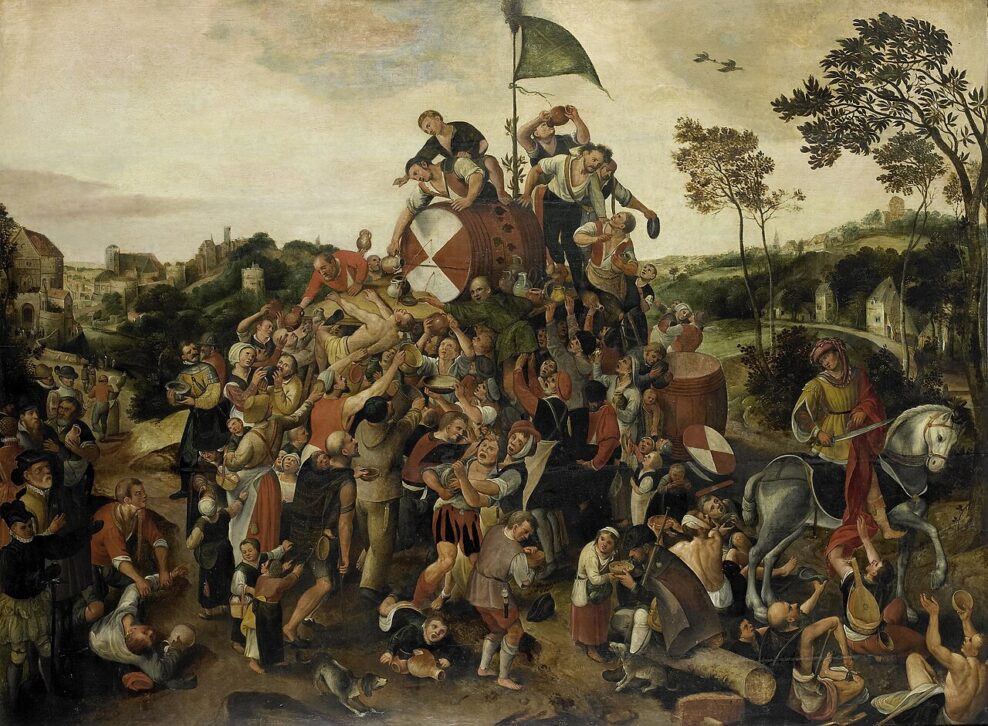
Known as St. Martin’s Day, or Martinmas, this centuries-old celebration takes place every year on November 11. Although largely forgotten in the United States, it was once an important date on the European calendar, marking the end of the harvest season and the arrival of winter.
Why Was It Called Old Halloween?
St. Martin’s Day falls just ten days after Halloween and just one day before the traditional beginning of the winter season in some European calendars.
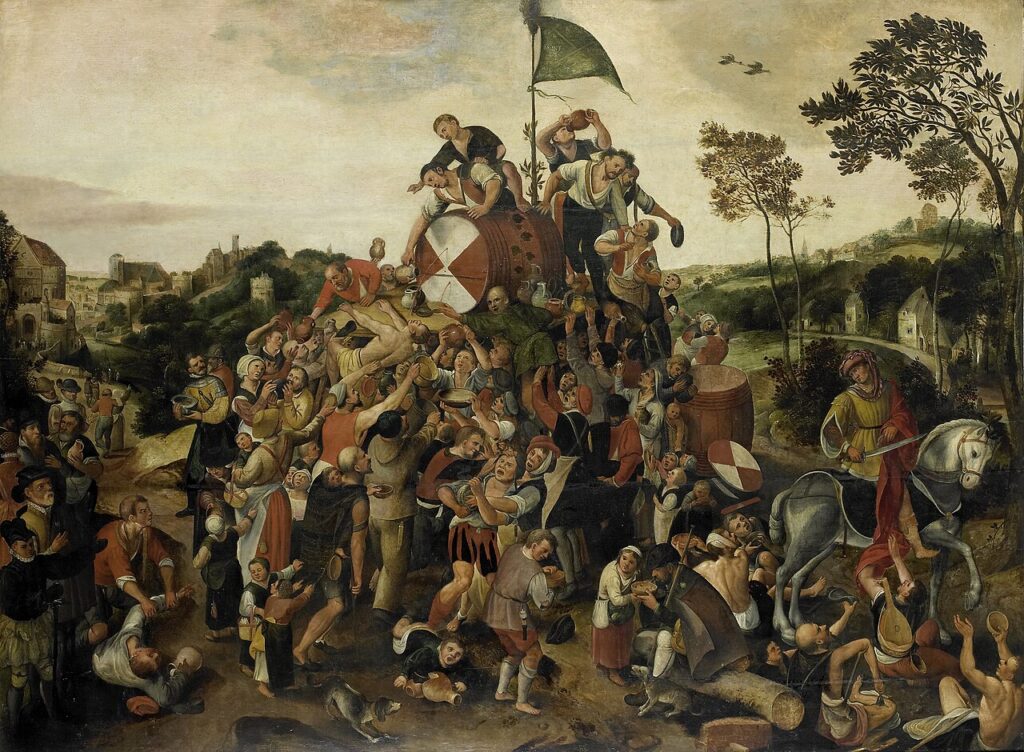
Historically, November was a time of transition. The harvest was finished, livestock was slaughtered and preserved for winter, and communities gathered for feasting and celebrations. Bonfires, nighttime festivities, seasonal customs, and folklore were all part of the occasion.
The holiday also carried older seasonal associations that predated many modern celebrations. St. Martin’s Day was also connected with the end of the autumn cycle and the beginning of winter.
The nickname Old Halloween reflects these older seasonal customs and the similarities between the two celebrations.
Lanterns Instead of Jack-o’-Lanterns
One of the most recognizable St. Martin’s Day traditions involves children carrying illuminated lanterns through the streets.
In Germany, the Netherlands, and other parts of Europe, children make colorful paper lanterns and participate in nighttime processions. They sing traditional songs as they walk through their neighborhoods, sometimes following a rider dressed as Saint Martin on horseback.
The celebrations often conclude with a large bonfire, known in Germany as a Martinsfeuer.
In the Netherlands, children historically made lanterns from hollowed-out sugar beets, creating a seasonal decoration that feels remarkably similar to the carved pumpkins associated with Halloween.
Instead of trick-or-treating for candy, kids in some communities went door to door singing songs in exchange for fruit, nuts, and other treats.
Bonfires, Feasting and Folklore
Like Halloween, St. Martin’s Day was celebrated with food, fire, and community gatherings.
Large bonfires were traditionally built in parts of Germany, where young people gathered to celebrate around the flames. Some historical customs even involved jumping through the fires. The ashes from these bonfires were scattered over fields in the belief that they would encourage fertility.
Food was another important part of the holiday. Roasted goose became a traditional Martinmas meal in several European countries. The day also marked the arrival of new wine in some regions.
In Poland, the city of Poznań celebrates with special St. Martin’s croissants filled with white poppy seeds, almonds, and nuts. In the Czech Republic, November 11 is associated with the saying that Martin arrives on a white horse, bringing the possibility of the season’s first snowfall.
The holiday honors Saint Martin of Tours, a Roman soldier
